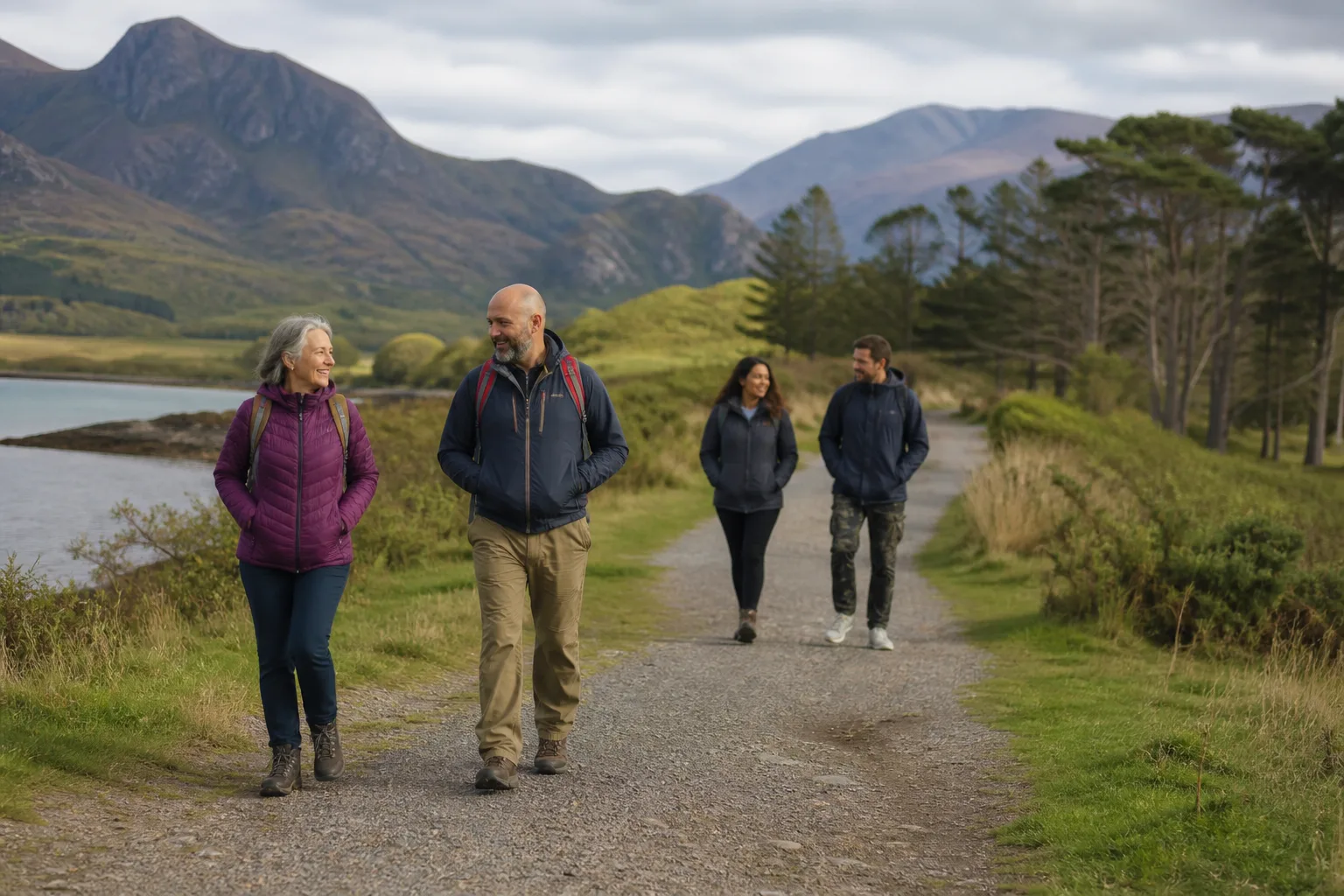
Meet People Across the Highlands, Without Pretending Distance Is Simple

A practical local guide to events, hobby clubs and community groups across Inverness, the Moray Firth, Lochaber, Skye, Wester Ross, Caithness, Sutherland and Badenoch and Strathspey.

You see an interesting event in Inverness on a Thursday night. Then you check the finish time, the road home and the winter forecast. Suddenly, a casual evening out looks like a small transport operation.

That is the central fact of meeting people in the Highlands. An event can be in the same council area and still be thoroughly impractical. Someone in Nairn may reach Inverness more easily than a person living farther up the Great Glen. Skye, Lochaber, Wester Ross, Caithness and Sutherland each have their own social orbit, while Inverness and the Moray Firth support the largest concentration of regular activities.

This guide brings together the useful routes into Highland social life: dedicated singles nights where they exist, open hobby clubs, volunteering, arts groups, outdoor activities, community events and recurring gatherings. It is for people who want to meet single people in Highland Scotland, but do not necessarily want to spend an evening wearing a name badge and making timed conversation.

Are there regular Highlands singles events?

Dedicated Highlands singles events do happen, but recurring hobby groups and community gatherings usually provide a steadier way to meet people locally.

The honest answer is that the Highlands do not have the weekly conveyor belt of speed dating, singles brunches and large social mixers found in Glasgow or Edinburgh. Population is thinner, organisers need enough bookings to make a night viable, and bad weather can turn a healthy guest list into half a room of empty chairs.

That does not mean nothing happens. Inverness is the likeliest base for ticketed dating events, informal mixers and larger social meet-ups. Nairn, Dingwall, Forres and the towns around the Moray Firth can also support one-off gatherings. Elsewhere, the best opportunities are often events that are not labelled for singles at all: a walking group, community ceilidh, film night, volunteering session or evening class.

In a small community, repeated contact matters more than a crowded room. Seeing the same person at three enjoyable gatherings can tell you far more than a three-minute introduction.

A dedicated singles event has one obvious advantage: everyone understands why they are there. The catch is that it may involve a long journey, fixed timing and a broad age range. An ordinary social group is slower but often more comfortable, especially if you are returning to dating after a long relationship or would rather let conversation develop around a shared activity.

  • Choose singles events for clarity. They remove the uncertainty about whether people are open to meeting someone, although attendance may vary.
  • Choose recurring groups for familiarity. Walking, music, crafts, sport and volunteering let people get to know one another without forcing a result.
  • Choose community events for local reach. Village halls, agricultural shows, gala days and fundraisers often draw people who rarely use formal event platforms.
  • Choose online dating for introductions between events. A local Highlands dating site can help establish who lives within a realistic journey before either person commits to travel.

Where to Find Groups and Events

The Highlands are not one dating pool. They are a patchwork of smaller areas linked by roads that can be quick in July, slow in October and unwise during a January warning. Begin with your actual travel pattern, not the broad label on your address.

Where can I meet singles in Inverness and the Moray Firth?

Inverness offers the widest choice of recurring clubs and evening events, while Nairn, Dingwall, Alness, Forres and nearby communities provide smaller but often more locally useful networks.

For people searching for ways to meet singles in Inverness, the city centre is only one starting point. Eden Court Theatre hosts live performances, cinema screenings, workshops and participatory arts activities beside the River Ness. It is a real, established venue with a broad programme, and it works particularly well for solo attendance because going to a film, talk or class alone does not look or feel unusual.

The Spectrum Centre, close to Inverness railway and bus stations, is another useful place to watch for community classes and group activity. Inverness Leisure and local sports clubs provide structured sessions, while the paths around the Ness Islands and the Caledonian Canal support walking and running groups. Torvean parkrun is one example of a free, recurring community activity where participation and volunteering both create natural conversation. Always check the organiser’s current page before setting off, as routes and cancellations can change.

To the east, Nairn has arts, sports and community activity without requiring every night out to end in Inverness. Farther around the firth, local clubs in Dingwall, Alness, Invergordon and Tain can be more practical for anyone travelling from Easter Ross. Forres sits in Moray rather than the Highland council area, but real social lives ignore administrative boundaries. If it is the easier journey, include it in your search.

AreaUseful hubGood starting pointsTravel reality
InvernessCity centre and River NessArts, classes, sport, volunteering and ticketed eventsBest public transport choice, though late services may be limited
Moray Firth and NairnNairn, Forres and coastal townsCommunity arts, running, golf, conservation and local festivalsOften practical by road or rail from Inverness, depending on timing
Easter RossDingwall, Alness, Invergordon and TainLeisure centres, football, music, heritage and volunteeringSearch north as well as south to avoid unnecessary mileage
Lochaber and SkyeFort William, Portree and local village hallsOutdoor clubs, arts, Gaelic culture and community eventsWeather, ferries and single-track roads can shape attendance
North and westWick, Thurso, Ullapool and regional villagesArts centres, sports, halls, heritage and environmental groupsFewer events make regular local groups especially valuable

What social groups work best outside Inverness?

Outside Inverness, the strongest options are usually recurring groups rooted in a town, island or cluster of nearby villages.

In Fort William, outdoor life is the obvious route in, but it is not the only one. Look for cinema, music, indoor sport, language learning, repair groups and volunteering as well as hillwalking. Not everyone wants to conduct their social life in waterproof trousers.

On Skye, Portree carries much of the island’s year-round activity, although community halls and local organisations spread opportunities more widely. Events can attract residents, seasonal workers and visitors at the same time. That mix is lively, but ask early whether somebody is staying beyond the summer. A promising conversation can be perfectly genuine and still have an expiry date imposed by a work contract.

In Wester Ross and around Ullapool, arts, environmental projects, sailing, music and hall events are useful entry points. An Talla Solais in Ullapool is an established visual arts organisation offering exhibitions and creative activity. In Badenoch and Strathspey, Aviemore has a high turnover of hospitality and outdoor staff, while Kingussie, Newtonmore and surrounding villages have their own sports, heritage and community networks.

Caithness and Sutherland require a different map again. Wick and Thurso are distinct centres, and travelling between them may be more realistic than heading south. Lyth Arts Centre, set in Caithness near Wick, runs performances and cultural activity in a rural setting. In smaller places, libraries, leisure centres, halls, churches, development trusts and local noticeboards often carry information that never reaches a national listings website.

  • Outdoor groups. Walking, cycling, paddling, climbing and conservation groups make conversation easy because the activity supplies the subject. Check grading, equipment and insurance arrangements.
  • Arts and culture. Choirs, book groups, amateur drama, traditional music sessions, cinema clubs and workshops suit people who prefer a shared focus to open networking.
  • Community volunteering. Food projects, heritage groups, festivals, sports events and environmental work bring together different ages without requiring polished social confidence.
  • Learning groups. Gaelic classes, cookery, crafts, photography and first-aid courses create repeated contact and a clear reason to return.
  • Social sport. Running, badminton, curling, shinty support, swimming and recreational football can widen a circle even when the group itself is not aimed at singles.

Practical tip: Search in a 30 to 45 minute ring around your home first, then add one larger hub you already visit for work, shopping or appointments. A group you can attend twice a month is usually more useful than a spectacular event you will manage once.

Where should I look for current event listings?

Use a combination of venue calendars, community noticeboards, local social media pages and direct contact with organisers because no single directory covers the whole Highlands.

Start with named venues rather than broad web searches. Theatre, arts centre, leisure centre, library and village hall calendars are less likely to bury local events beneath tourist advertising. Local authority leisure listings, community council pages, development trusts and volunteer centres can reveal regular groups that do not market themselves widely.

Then check event platforms and local social media groups, but read carefully. A page may still exist after a club has stopped meeting, and an annual event may have changed weekend or venue. Look for a recent post, a current booking link and a named organiser. If any of those are missing, send a brief message before driving.

Word of mouth still carries unusual weight here. Ask a colleague what happens locally, tell a librarian what kind of group you want, or contact a community hall rather than waiting for the right poster to appear. You do not need to announce that you are looking for a date. You are looking for a sociable activity where you might meet people. That is both accurate and easier to say.

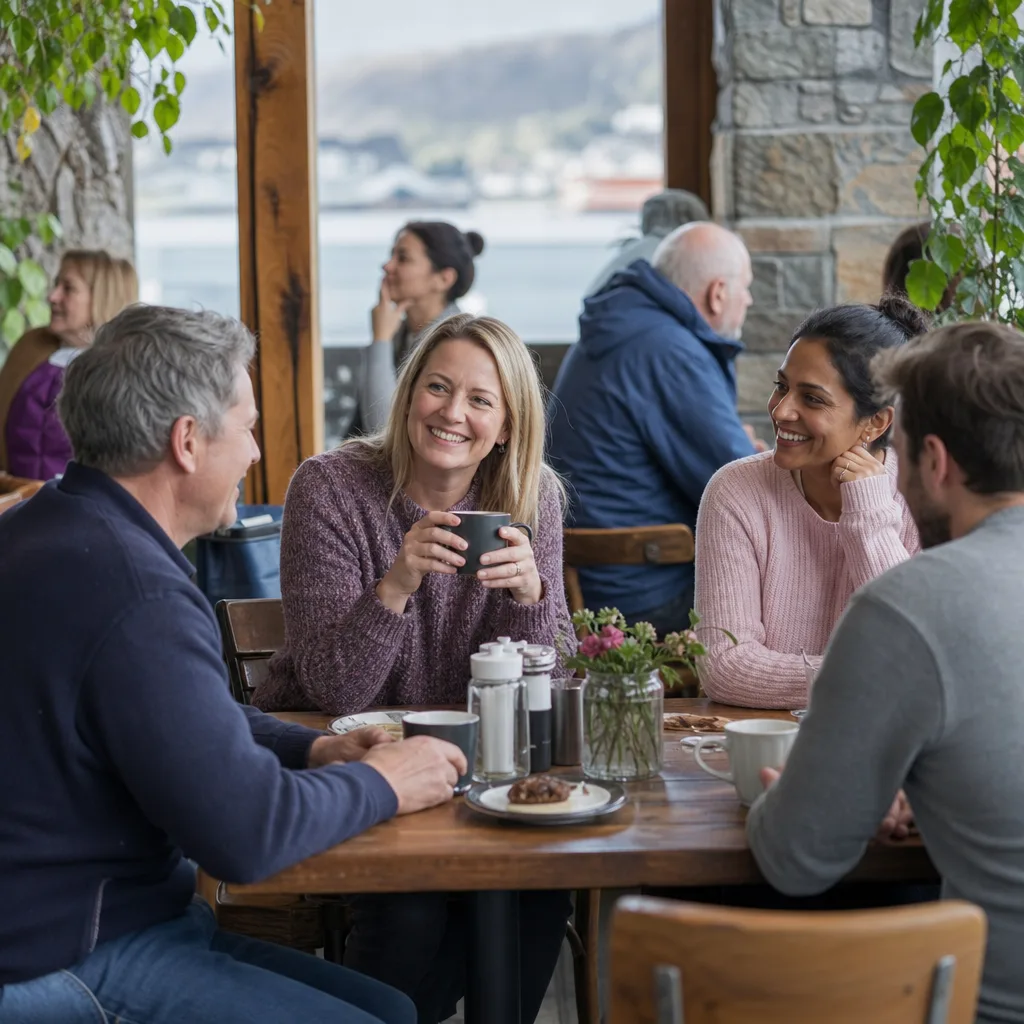
Friends checking a community events board in Inverness

Choosing Activities That Suit Your Life

The right gathering is not merely the one with the biggest attendance. It is the one you can reach, afford and attend often enough for strangers to become familiar faces.

Which events are best for shift workers and seasonal staff?

Drop-in activities, weekend volunteering and groups with rotating sessions usually suit shift workers and seasonal staff better than fixed weekly courses.

NHS Highland staff, hospitality workers, carers, forestry workers and people in tourism rarely share a neat Monday-to-Friday calendar. A club that penalises missed sessions will become another obligation. Look instead for activities where each meeting stands alone: a monthly walk, open music session, parkrun, conservation day, board-game evening, film screening or volunteer shift.

Seasonal work creates a second complication. In spring and summer, busy hotels, visitor attractions and outdoor operators bring new people into Aviemore, Skye, Fort William, Inverness and other tourism centres. Social choices expand just as free evenings disappear. If your contract is temporary, be straightforward about it. Temporary does not mean unserious, but another person deserves to know whether you are leaving in October.

  • Check the commitment. Ask whether attendance is drop-in, booked by session or tied to a full term.
  • Use your quiet hours. Morning running groups, daytime workshops and midweek volunteering may fit better than Friday nights.
  • Volunteer around an event. Setting up, stewarding or helping with refreshments creates more conversation than standing in an audience.
  • Join the organiser’s list. Email lists and group chats can reveal cancellations, spare places and informal gatherings.
  • Be clear about availability. Saying that your rota changes is better than repeatedly appearing to cancel without explanation.

How far should you travel to meet someone?

A sensible distance is one you could manage regularly in poor light and ordinary weather, not merely on a fine summer evening.

There is no universal mileage rule. Ten miles of winding single-track road can demand more attention than a much longer stretch of the A9, while a missed ferry is not the same as a late bus. In reality, it depends on the road, your vehicle, caring responsibilities, work rota and appetite for winter driving.

Think in time and repeatability. Could you make the journey after work? Could both of you take turns? Is there somewhere halfway that remains open out of season? If every meeting requires one person to surrender an entire day, resentment can grow even when the connection is good.

Our guide to dating when you live miles from the nearest town goes deeper into distance, privacy and the practicalities of small communities. The short version is simple: do not reject somebody because a map makes the gap look large, but do not minimise a difficult journey because the mileage looks modest.

How do you choose a group when you are out of practice socially?

Choose an activity with a clear task, a predictable finish and no pressure to perform socially from the moment you arrive.

Walking into a room alone can feel exposing after divorce, bereavement or years in the same relationship. That feeling is not evidence that you have forgotten how to speak to people. It is your mind treating an unfamiliar room like an exam.

A structured activity helps. In a workshop, volunteer session or guided walk, you know what to do with your hands and what to talk about first. Arrive ten minutes early, when the organiser still has time to greet you. Ask one practical question. Offer to help. Stay until the planned finish unless you feel uncomfortable.

  1. Pick one recurring activity. Choose something you would tolerate even if no potential date attended.
  2. Contact the organiser. Ask about the age mix, accessibility, cost, equipment and whether newcomers commonly arrive alone.
  3. Set a small target. Learn two names or have one proper conversation rather than trying to work the whole room.
  4. Attend three times. One quiet night proves very little, particularly in a place where weather and shifts affect turnout.
  5. Review honestly. Keep going if the activity or people suit you, not because you believe persistence must produce a relationship.

Age-labelled groups can be useful, but they are not always necessary. A mixed-age choir, heritage project or walking club may produce a wider and more natural social network. Friends introduce friends. That is especially relevant in smaller communities, where the person you meet directly may not be single but may know somebody who is.

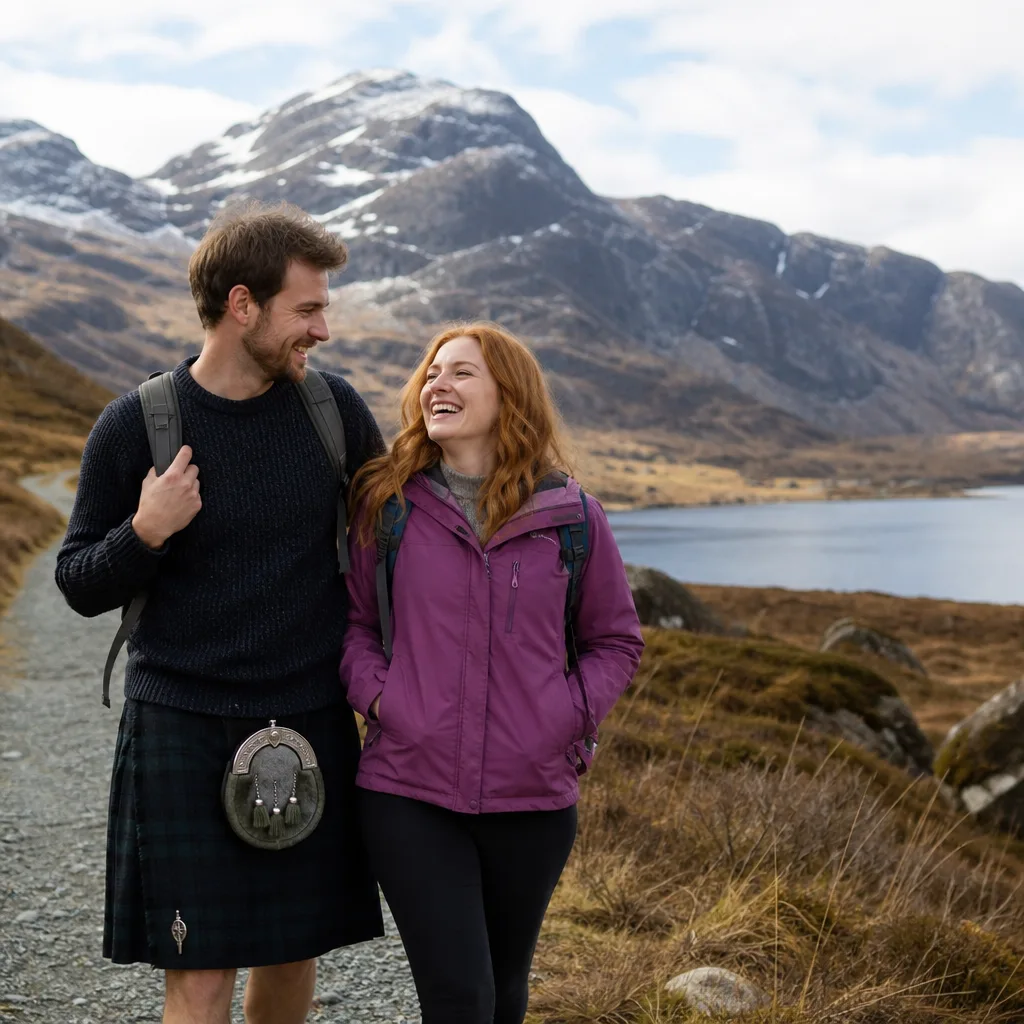
Adults chatting during a relaxed Highland walking group break

Turning a Social Introduction Into a Date

A social group gives you context, not permission. People attend clubs to sing, run, volunteer, learn or see friends. Any romantic interest needs to be handled lightly enough that the group remains comfortable for both of you.

How can you tell whether someone at a group is single?

Let ordinary conversation reveal someone’s circumstances, then ask clearly rather than relying on hints or local gossip.

Questions about weekends, work and how somebody knows the group often bring up a partner naturally. If they do not, and conversation has become warm and consistent, you can ask whether they would like a coffee after the next session. That invitation is clear without demanding a declaration about their entire personal life.

Do not recruit the room as an intelligence service. In a village, it may be tempting to ask three people who someone lives with, why their last relationship ended and whether their car was seen outside another house. Resist it. Information travels quickly and accuracy does not improve with speed.

  • Look for reciprocity. Do they seek you out, remember previous conversations and suggest continuing the chat?
  • Make one simple invitation. Coffee, lunch or a short walk in a public place is enough.
  • Accept the answer. A vague or repeated postponement is usually a no, even if it is politely phrased.
  • Protect the group. If interest is not returned, remain civil and do not make future meetings awkward.

For a first meeting around the city, see our practical first-date ideas around Inverness and the Moray Firth. Pick somewhere convenient for both people rather than assuming the person outside Inverness should always travel in.

How do you stay safe at singles events and social groups?

Verify the organiser, control your own travel and keep first one-to-one meetings public, short and known to somebody you trust.

An organised group can feel safer than meeting a stranger alone, but a logo and a booking page do not guarantee good practice. Check who runs the event, whether the venue is named, what the refund terms are and how the organiser handles unwanted behaviour. For outdoor activities, check the route, leader experience, equipment list and what happens if conditions deteriorate.

Travel deserves particular attention. If you accept a lift to a remote venue, you may lose the ability to leave when you want. On a first meeting, take your own car or use public transport where workable. Tell a friend where you are going, agree a check-in time and avoid sharing your home address simply because somebody appears to know mutual acquaintances.

Romance scam warning: Do not send money, buy gift cards, move funds or share banking access for someone you have met through an event page, social group or dating profile. A local place-name and convincing knowledge of Highland geography do not prove identity.

Privacy can be delicate when colleagues, cousins and former partners overlap. Use a first name and the contact details genuinely required by the organiser, but question requests for excessive information. Before posting group photographs, ask whether everyone is comfortable being identifiable online. A person may be happily attending an event while preferring that an employer or ex does not see it.

Are paid singles nights better than free community groups?

Paid singles nights offer clear intent, while free or low-cost community groups usually offer more time and repeated contact.

Price does not prove quality. A paid event may cover venue hire, staffing and administration, which is reasonable, but read what the ticket includes. Check whether booking fees are refundable, whether the event can be cancelled for low numbers and whether a replacement date is automatic. Do not assume that paying guarantees a balanced age range or a particular number of attendees unless the organiser states it clearly.

Free profile registration on a dating service should also be distinguished from paid messaging or subscription features. Read the payment page before upgrading, note whether renewal is automatic and keep the cancellation confirmation. Straight answers about cost matter. So does leaving without a struggle.

Community groups can be free, donation-based or membership-funded. They may not supply instant romantic clarity, but they offer something valuable: evidence of how a person treats others over time. You see whether they turn up, include newcomers, keep commitments and cope when plans change. Those are useful facts.

The best approach is often mixed. Use local online dating to find people who are genuinely within reach, attend one or two social groups you enjoy, and consider a dedicated singles event when the timing and location make sense. Different routes widen opportunity without turning every leisure hour into a search.

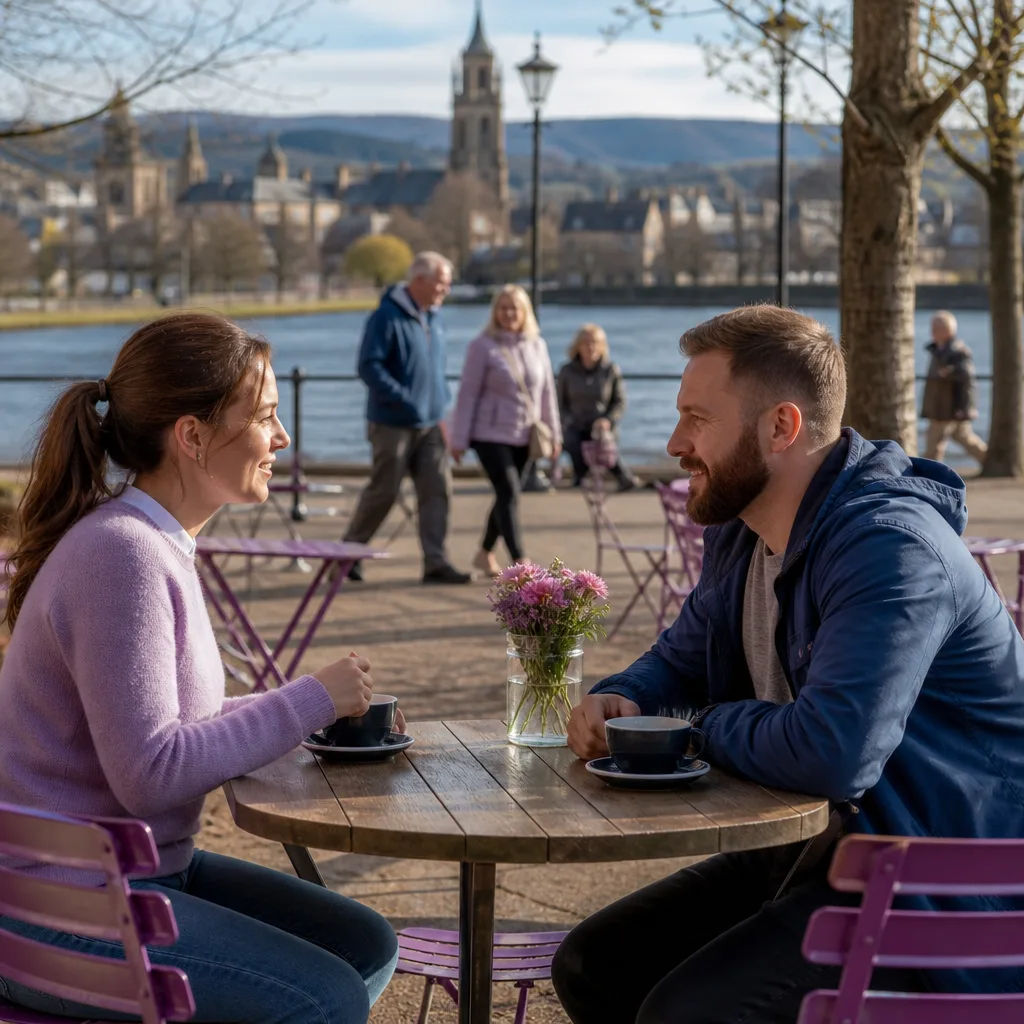
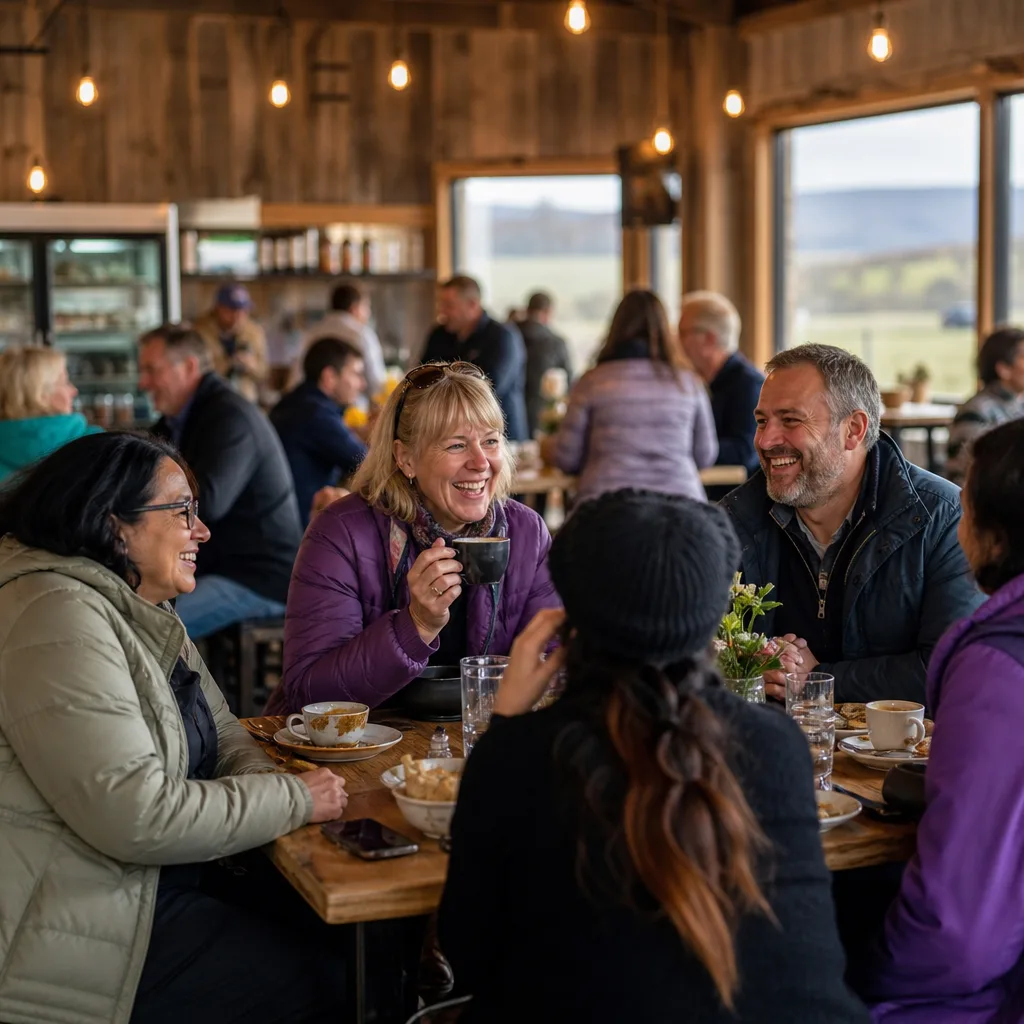
Two people arranging a coffee after a community arts event in the Highlands

Highland social life rarely arrives in one convenient package. It is scattered across venue calendars, village halls, volunteer rotas, sports clubs, arts programmes and conversations beside noticeboards. That can be frustrating. It can also produce better introductions than a huge anonymous event.

What is the best way to start meeting Highland singles?

Start with one repeatable local group, one wider regional event source and a dating search limited to journeys you can genuinely sustain.

Keep the plan modest. Choose a group close enough to attend regularly. Follow a venue in your nearest hub. Set your dating distance according to roads and time, not optimism. If Inverness is practical, include its larger programme; if it is not, stop treating the city as the compulsory centre of your social life.

For broader advice on profiles, local matching and arranging a first meeting, read our main guide to dating in Scotland. The useful principle remains the same wherever you live: local before large.

  • This week. Find one current activity and confirm the next date directly with its organiser.
  • This month. Attend more than once before deciding whether the group is too quiet or not for you.
  • When you meet someone. Suggest a short public date with fair travel for both sides.
  • When distance becomes awkward. Discuss it early rather than hoping the road will somehow become shorter.

You do not need a packed calendar. You need a few credible ways to encounter the same people again. In the Highlands, that is often how a stranger becomes a familiar face, and how a familiar face becomes someone worth meeting on purpose.

Frequently asked questions

Where are most Highlands singles events held?

Inverness generally offers the widest choice because it has the largest population and the strongest concentration of venues. Nairn, Dingwall, Fort William, Aviemore, Portree, Wick, Thurso and other local hubs also support social groups and community events. Always check current listings and travel arrangements before setting off.

Can I attend a club alone if I am hoping to meet someone?

Yes. Choose a structured activity where newcomers commonly arrive alone, contact the organiser first and focus on the activity rather than treating every conversation as a dating opportunity. Recurring groups work best when you genuinely enjoy attending.

How can I find events that fit changing shifts?

Look for drop-in sessions, monthly walks, parkruns, open workshops, film screenings and volunteering booked by individual shift. Join organisers’ mailing lists so you can act on spare places, cancellations and dates that suit your rota.

Meet Highland Singles Within a Realistic Distance

Create a free profile, choose the areas you can genuinely reach and start with local conversations.

Join Date Highlands Singles